
Uncertain times call for more than good intentions

By Dr Amanda Potter CEO BeTalent by Zircon and Chief Psychology Officer
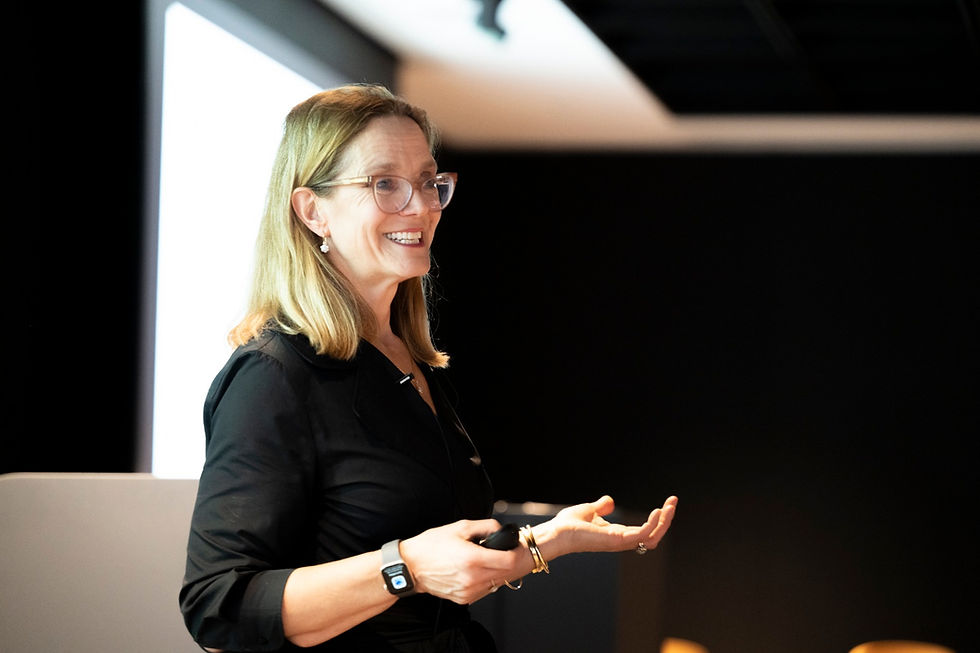
At the recent 2026 HR in Travel conference, we explored a simple truth.
We all have great intentions, but when it matters most, few of us prioritise our health and wellbeing at work.
The travel industry, in particular, has experienced an extraordinary level of disruption in recent years. From the pandemic to ongoing geopolitical tensions, economic uncertainty and shifting customer expectations, leaders and their teams are constantly being asked to adapt and respond to change. In environments like this, resilience becomes more than a personal skill. It becomes a leadership capability.
From my experience, leaders want to support their teams, and most organisations want to create a positive, high performing environment. We come to work to collaborate and do good work, but as the saying goes, the path to hell is paved with good intentions. Unfortunately, good intentions do not create resilient workplaces.
Developing real sustainable resilience requires meaningful action. It starts by understanding how people think, feel, and respond to pressure. Mindfulness and yoga sessions aren’t for everyone, but when individuals have awareness of their resilience tendencies, they can gain autonomy by identifying and implementing healthy habits that work for them. When other factors are outside of their control, these behaviours and actions can support their wellbeing.
The Neuroscience of Resilience
Resilience is not a personality trait. It is strongly influenced by our brain and physiology. Two parts of the brain play a key role.
· The amygdala, which processes emotional responses such as fear and anxiety.
· The prefrontal cortex, which controls decision making, reasoning, and social behaviour.
When you feel threatened or overwhelmed, the amygdala (or emotion centre) takes over. When you feel safe and supported, the prefrontal cortex (or logical brain) can function effectively, and helps you to be more decisive, clear thinking and focused.
Your environment, lifestyle choices, and nutrition can impact your brain chemistry. Your brain chemistry influences your level of resilience. Neurochemicals such as dopamine, serotonin, oxytocin, endorphins, melatonin and acetylcholine affect your mood, motivation, connection, sleep and focus.
Small simple behaviours such as exercise, laughter, sunlight, drinking more water, celebrating small wins, and meaningful connection can help rebalance these systems and support your wellbeing.
The Role of Psychological Safety
Resilience thrives in environments where you feel psychologically safe and resilient leaders create safer environments. In psychologically safe teams, people speak up, share ideas, learn from mistakes and trust each other. They feel connected to a shared purpose and appreciate the diversity of perspectives around them. In psychologically unsafe teams, you are likely to become overly cautious, defer to authority, avoid failure and focus on pleasing others rather than challenging ideas. Over time, this leads to reduced innovation and engagement.
When leadership teams encourage each other to create healthier habits that prioritise personal wellbeing, they can strengthen collective resilience. This positively impacts how it feels to connect and spend time with each other at work. Resilient leaders can influence wellbeing across an organisation and foster greater levels of psychological safety.
Building your Resilient Habits
Your resilience is built through your small daily habits. This might include creating positive routines in the first hours of the day, turning behaviours into micro habits, stacking new habits onto existing routines, and celebrating small wins along the way. Any small change will have a positive impact on your personal neurochemistry. Over time, these consistent behaviours strengthen both individual and team resilience.
At all times, we must remember that truly safe and resilient organisations do more than rely on good intentions. They create environments that encourage people to prioritise their health and wellbeing. This has a positive impact on how safe people feel. Ultimately, the more you prioritise your wellbeing the more you will be able to contribute to a climate where people feel safe to think, speak, learn and grow.
In many ways, it is similar to the familiar airline safety message. You are asked to put on your own oxygen mask before helping others. The principle is the same in leadership. When leaders take care of their own wellbeing, they are far better equipped to support the people around them.
For organisations in the travel sector, where uncertainty, global events and operational pressures can change the landscape almost overnight, resilience has become a critical leadership capability. Supporting leaders and teams to understand how they respond to pressure and helping them build healthier habits and environments can make a significant difference to how organisations adapt and thrive through change.
At BeTalent by Zircon, much of our work focuses on helping organisations gain insight into how individuals and teams respond to pressure, and how those insights can be used to strengthen leadership, wellbeing and performance.
Because when organisations move beyond good intentions and start building resilience in a meaningful and measurable way, they create the conditions where people, teams and businesses can truly succeed.
Discover more of our research and thinking at BeTalent.com


Comments